Juneau County Dog Registration Information
Service Dogs and Emotional Support Animals in Juneau, Alaska
If you’re searching where do I register my dog in Juneau County, Alaska for my service dog or emotional support dog, the key thing to know is this: registration and licensing are local processes, and they’re different from a dog’s service dog status or an emotional support animal (ESA) letter. In most cases, what residents mean by “registering” a dog is getting a dog license in Juneau County, Alaska through the local government’s system (often supported by contracted animal control services) and keeping your rabies vaccination current.
This landing page explains where to register a dog in Juneau County, Alaska, what the licensing process usually requires, and how licensing relates (and does not relate) to service dogs and emotional support dogs.
Where to Register or License Your Dog in Juneau County, Alaska
Dog licensing and enforcement are often handled by a city/borough government and its animal control program. In the Juneau area, the City and Borough of Juneau indicates that animal control and protection services are handled through Juneau Animal Rescue, and the city provides general contact information for City Hall. Below are example official offices and official points of contact commonly used for animal control dog license Juneau County, Alaska questions and local compliance.
Juneau Animal Rescue (Animal Control & Protection Services)
Address: 7705 Glacier Highway
City/State/ZIP: Juneau, AK 99801
Animal Control Phone: (907) 789-6997
Main Phone: (907) 789-0260
Email (non-emergency animal control): animalcontrol@juneauanimalrescue.org
Office Hours:
- Mon–Sat: 9:30 AM–5:30 PM
- Sun: Closed to the public
Note: After-hours animal emergencies are directed to the Juneau Police Department non-emergency line (see below).
City and Borough of Juneau (City Hall)
Address: 155 Heritage Way
City/State/ZIP: Juneau, AK 99801
Phone: (907) 586-5240
Email: manager@juneau.gov
Office hours: Not listed in the referenced official contact page. Call ahead to confirm hours and which counter handles licensing questions.
Juneau Police Department (Non-Emergency) — After-Hours Animal Emergencies
Address: 6255 Alaway Avenue
City/State/ZIP: Juneau, AK 99801
Non-Emergency Phone: (907) 586-0600
Office hours: Not listed on the referenced animal control page. Use this line for after-hours animal emergencies as directed.
Overview of Dog Licensing in Juneau County, Alaska
What a dog license is (and why it matters)
A dog license in Juneau County, Alaska is a local registration record connecting a dog to an owner’s contact information and typically confirming that the dog has current rabies vaccination documentation on file. Licensing can help return lost dogs more quickly, supports local animal control and protection services, and demonstrates compliance with local ordinances. If your dog is ever found at large, involved in a bite report, or picked up by animal control, a current license can reduce confusion and speed up reunification.
Licensing is usually local (city/borough), not “statewide”
Alaska does not function like a single statewide pet-registration system for everyday pet licensing. Instead, most licensing is handled by the local government where you live—often a city, borough, or municipality. That’s why many residents searching where to register a dog in Juneau County, Alaska end up dealing with local animal control/animal services resources and City Hall processes.
Rabies vaccination requirements (common licensing prerequisite)
In many jurisdictions, you must show proof of a current rabies vaccination before a dog license is issued or renewed. Local governments may also require you to keep a current rabies tag on the dog’s collar. Importantly, a rabies tag from a veterinarian is not the same as a local dog license tag; they serve different purposes (medical vaccination proof vs. local licensing/identification).
How Dog Licensing Works Locally in Juneau County, Alaska
Step-by-step: how to license your dog locally
While exact steps can vary by jurisdiction and may change over time, local licensing in the Juneau area generally follows a predictable pattern:
- Confirm which local jurisdiction you’re in. Your licensing office depends on your physical address (city/borough boundaries matter).
- Gather documentation. Most offices require proof of current rabies vaccination. Some may also ask for identification and proof of residency.
- Apply and pay the fee. Fees often vary based on whether a dog is spayed/neutered and may be assessed annually.
- Receive your license/tag and keep it current. Most local systems renew on a set annual cycle. Keep the tag on your dog’s collar as required.
Who enforces licensing and rabies rules?
Local animal control or contracted animal protection services typically handle enforcement related to dogs at large, bite incidents, and compliance checks tied to local ordinances. In the Juneau area, official city information directs animal control and protection questions to Juneau Animal Rescue and provides a dedicated animal control phone number for community reporting and assistance.
Common scenarios that prompt licensing questions
New resident or newly adopted dog
If you’ve recently moved or adopted, you may have a deadline to license your dog after arrival. Licensing helps establish ownership quickly.
Service dog or ESA questions
People often assume service dogs or emotional support dogs need “special registration.” In reality, licensing is local, while service dog status is defined by disability law and training.
Rabies vaccination updates
Renewals frequently require current rabies paperwork. If your rabies vaccination lapses, you may need to update it before renewing the license.
Lost dog recovery
A local license record can be one of the fastest ways for animal control to identify and contact you if your dog is found.
Service Dog Laws in Juneau County, Alaska
Service dog vs. dog license (two different systems)
A service dog is not created by a license, registry card, or online certificate. Service dog status comes from disability law: the dog is individually trained to do work or perform tasks for a person with a disability. By contrast, a local dog license is a municipal registration process that helps with identification and rabies verification. In other words, your dog can be a service dog and still need a local dog license where you live.
Do service dogs need a “service dog registration” to be legitimate?
Generally, no. Many third-party “registrations” exist online, but they typically do not determine legal service dog status. What does matter is whether the dog meets the legal definition of a service animal and behaves appropriately in public settings. Even so, local authorities may still require standard pet licensing for dogs residing in the jurisdiction—service dog or not—because licensing is about identification and rabies compliance, not public-access rights.
Practical compliance checklist for service dog handlers
- Keep rabies vaccination current and retain proof.
- Maintain the local license record (annual renewal if required).
- Use a collar/tag setup that makes sense (license tag + rabies tag). While not always required everywhere, it is commonly expected.
- Training and behavior matter. A service dog should be under control in public, per typical service animal rules.
Emotional Support Animal Rules in Juneau County, Alaska
What an emotional support dog is (and is not)
An emotional support animal (ESA) provides comfort by its presence and may be recommended by a qualified health professional for certain housing-related accommodations. However, an ESA is not the same as a service dog and does not have the same public-access rights in places like restaurants, grocery stores, or other businesses that don’t allow pets (except where other rules apply).
ESA letters do not replace local licensing
Even if your dog is an ESA, you generally still follow the same local steps for where to register a dog in Juneau County, Alaska: obtain the local dog license if required, keep rabies vaccination current, and comply with leash/at-large rules. An ESA letter typically relates to housing accommodations, not municipal rabies enforcement or dog licensing databases.
Housing vs. licensing: keep your paperwork separate
Think of it as two folders: (1) City/borough folder (license receipt, rabies certificate, tag numbers) and (2) Housing folder (ESA documentation if applicable). Mixing them up can cause delays—animal control offices usually need rabies and licensing materials, while landlords or housing providers may need ESA-related documents.
Frequently Asked Questions
Disclaimer: Licensing requirements and office locations may change. Residents should verify details with their local animal services office within Juneau County, Alaska.
Register A Dog In Other Alaska Counties
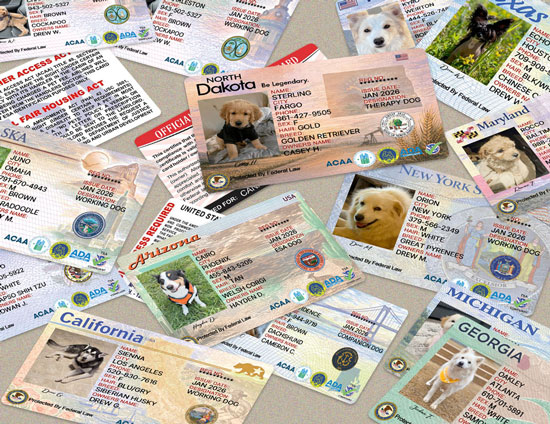
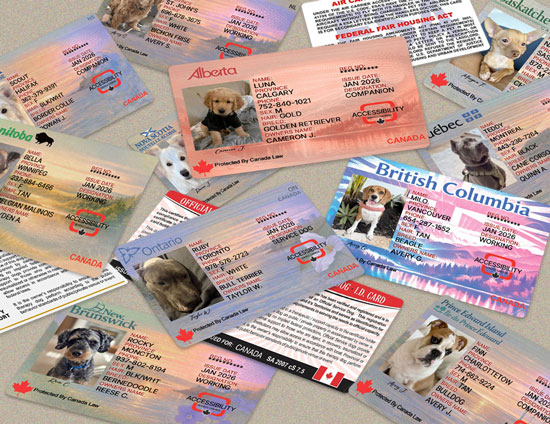
Select your county below to get started with your dog’s ID card. Requirements and license designs may vary by county, so choose your location to see the correct options and complete your pup’s registration.
- Aleutians East Borough County Dog Registration
- Aleutians West Census Area County Dog Registration
- Anchorage Borough County Dog Registration
- Bethel Census Area County Dog Registration
- Bristol Bay Borough County Dog Registration
- Chugach Census Area County Dog Registration
- Copper River Census Area County Dog Registration
- Denali Borough County Dog Registration
- Dillingham Census Area County Dog Registration
- Fairbanks North Star Borough County Dog Registration
- Haines Borough County Dog Registration
- Hoonah-Angoon Census Area County Dog Registration
- Kenai Peninsula Borough County Dog Registration
- Ketchikan Gateway Borough County Dog Registration
- Kodiak Island Borough County Dog Registration
- Kusilvak Census Area County Dog Registration
- Lake and Peninsula Borough County Dog Registration
- Matanuska-Susitna Borough County Dog Registration
- Nome Census Area County Dog Registration
- North Slope Borough County Dog Registration
- Northwest Arctic County Dog Registration
- Petersburg Borough County Dog Registration
- Prince of Wales-Hyder Census Area County Dog Registration
- Sitka Borough County Dog Registration
- Skagway Borough County Dog Registration
- Southeast Fairbanks Census Area County Dog Registration
- unorganized borough County Dog Registration
- Wrangell Borough County Dog Registration
- Yakutat Borough County Dog Registration
- Yukon-Koyukuk Census Area County Dog Registration